
Blog
How Long Do HVAC Systems Last for Iowa Homeowners?
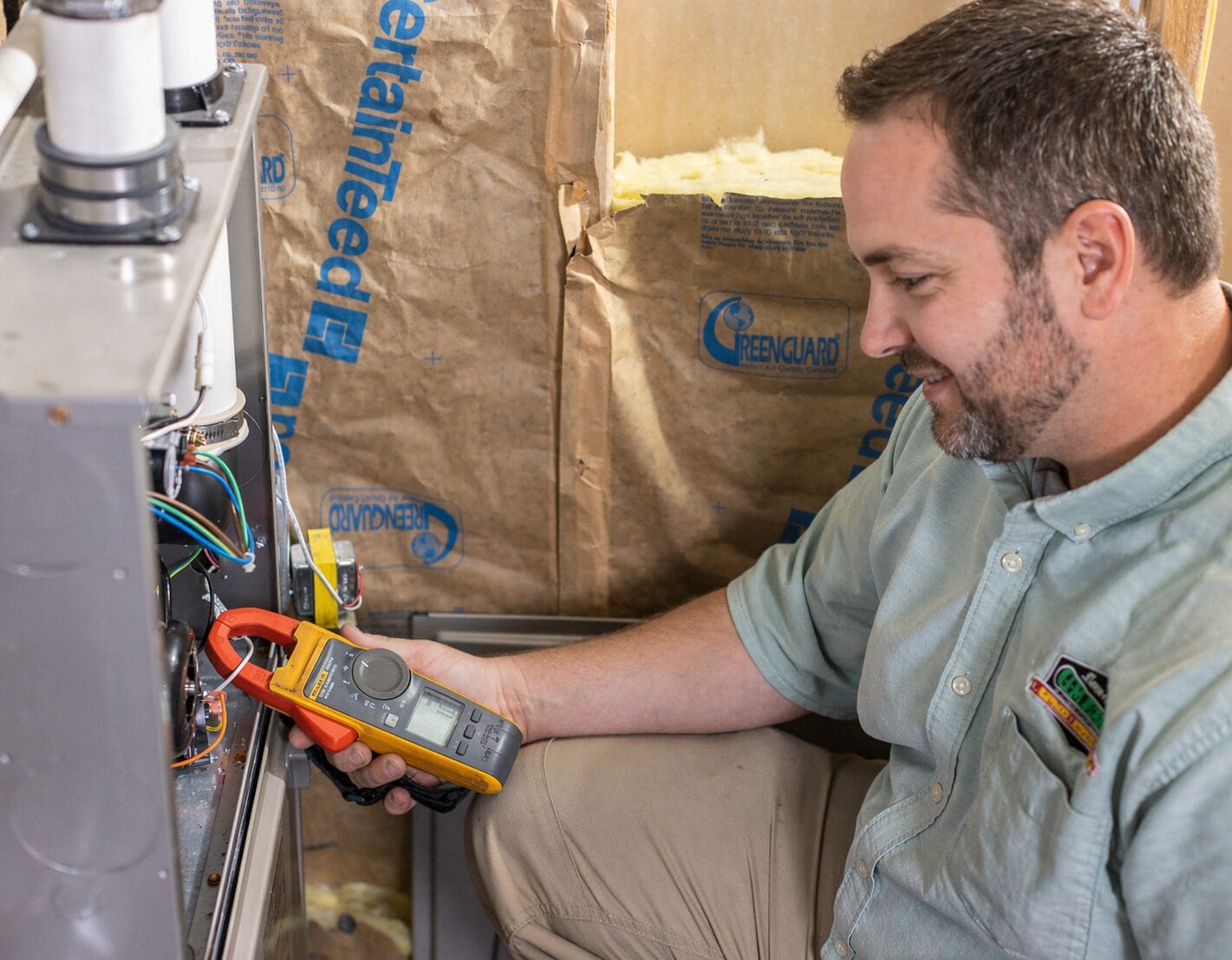
HVAC systems rarely fail all at once. Most start to wear down over time, and you notice it in how the house feels. Some rooms do not hold temperature, the system runs longer, and energy bills start to climb. That is when homeowners start asking how long do HVAC systems last and whether their system is nearing the end.
Greens Appliance, Heating & Cooling works with homeowners across Des Moines and Grimes to evaluate system condition and performance. Knowing the typical lifespan helps you plan ahead instead of reacting when the system finally stops working.
HVAC Lifespan in Des Moines & Grimes, IA
Iowa weather puts systems through full seasonal swings. Long, humid summers and cold winters mean your system runs through both heating and cooling cycles every year.
That workload affects HVAC lifespan. Systems in this area tend to wear faster than those in milder climates because they do not get long breaks between seasons.
Without regular service, that wear shows up sooner. Dust buildup, airflow restrictions, and small component issues add up over time. Keeping up with heating maintenance and cooling service helps systems handle those seasonal demands.
Homes that also manage air quality tend to see more stable performance, since airflow stays cleaner and components are not working against buildup.
What Affects HVAC System Lifespan
Several factors determine how long a system will last.
- Usage: Systems that run longer during peak heat or cold accumulate more wear.
- Maintenance: Regular service helps catch small issues before they affect performance.
- Installation quality: A properly sized system runs more evenly and avoids unnecessary strain.
- Airflow conditions: Blocked ducts or dirty components make the system work harder than it should.
- System type: Different equipment has different lifespans. Homeowners often ask how long AC lasts compares to a furnace, and the answer depends on usage and maintenance.
All of these factors influence your overall HVAC lifespan. When several of them are working against the system, wear shows up faster.
Signs Your HVAC System Is Nearing the End
Most systems give warning signs before they stop working.
Watch for:
- Frequent repair calls
- Rising energy bills without a clear reason
- Uneven temperatures across the home
- Reduced airflow from vents
- Longer run times to reach the set temperature
- Unusual sounds during operation
These issues point to wear inside the system. When components like the compressor or blower start to break down, performance drops and the system struggles to keep up.
Homeowners ask about furnace lifespan years when these problems show up during winter. The same pattern applies across both heating and cooling systems.
Can You Extend the Life of Your HVAC System?
You can extend system lifespan with consistent care.
- Replace filters regularly
- Keep outdoor units clear of debris
- Schedule seasonal tune-ups
- Clean components that affect airflow
- Address small issues before they spread
Regular service reduces strain on the system and helps it run closer to its intended performance.
A system that is maintained consistently will usually last longer than one that only gets attention when something breaks.
When Should You Replace Your HVAC System?
Replacement becomes the better option when repairs stop solving the problem.
You may be ready to replace the system if:
- Repairs are becoming frequent
- Costs are adding up across multiple visits
- The system cannot maintain steady temperature
- Energy use continues to increase
- The equipment is reaching the upper range of its expected lifespan
Newer systems are built to run more efficiently and maintain steady performance. If your current setup cannot keep up, replacement helps bring conditions back under control.
If you are unsure, an inspection can help you understand how much life is left in the system and what to expect next.
Why Homeowners Trust Greens Appliance, Heating & Cooling
Greens Appliance, Heating & Cooling has served Des Moines since 1958. Homeowners across the area rely on our team for clear answers about system condition and next steps.
We focus on:
- Evaluating system performance and wear
- Providing maintenance that supports long-term use
- Repairing issues before they spread
- Helping homeowners plan for replacement when needed
From HVAC service to air conditioner and heating system support, our team handles the systems that keep your home running.
Plan Ahead for Your HVAC System
If your system is showing signs of wear or you are starting to question its lifespan, it is time to have it checked.
Contact us to schedule an inspection in Des Moines or Grimes. Financing is available if replacement becomes necessary.
Schedule OnlineFrequently Asked Questions
Most systems last 10 to 15 years with consistent maintenance, depending on usage and conditions.
Heavy use, lack of maintenance, poor airflow, and improper installation all reduce system lifespan.
If repairs are frequent and performance is declining, replacement is usually the better option.
Signs include uneven temperatures, longer run times, higher energy bills, and repeated repairs.
Yes. Routine service helps reduce wear and keeps the system operating more consistently.