

Blog
How Cold Will a Heat Pump Work? A Grimes & Des Moines Homeowner's Guide

Modern heat pumps continue heating when outdoor temperatures fall below freezing. Cold climate heat pump models are built to operate in sub-zero weather, but there is no single cutoff temperature for every system. Heating capacity depends on the equipment, system sizing, the home, and outdoor conditions.
That distinction matters in Grimes and Des Moines, where winter temperatures regularly drop below freezing and cold snaps put heating equipment under heavier demand. Understanding how a heat pump in winter responds to falling temperatures helps homeowners recognize normal operation, backup heat use, and signs that service is needed. Greens Appliance, Heating & Cooling offers heat pump services throughout Central Iowa.
How Heat Pumps Work When Temperatures Drop
A heat pump heats your home by transferring heat from the outdoor air indoors instead of generating heat through combustion. Outdoor air still contains usable heat below 32°F, allowing the system to continue operating in freezing conditions.
As temperatures fall, the home's heating demand increases while the amount of heat available outdoors decreases. This changes heat pump cold weather performance and increases the amount of work required to maintain the thermostat setting.
So, how cold will a heat pump work? The answer depends on the specific equipment. Cold-climate models are designed for sub-zero operation, while other systems need supplemental heat sooner. Manufacturer performance data identifies the operating range and heating capacity at specific outdoor temperatures. System sizing affects how much of the home's heating demand the heat pump can meet as temperatures fall.
When Backup, Auxiliary, and Dual-Fuel Heat Take Over
Auxiliary heat supplements a heat pump when the system needs additional heating capacity. Many all-electric systems use electric resistance heat as the secondary heat source. Auxiliary heat may also operate during the heat pump's defrost cycle.
Dual-fuel systems pair a heat pump with a furnace. The heat pump handles heating during milder weather, and system controls switch to the furnace when outdoor conditions reach the configured changeover point. This setup gives Iowa homeowners another way to manage extended periods of low temperatures.
Winter storms create a separate concern when utility power fails. A properly configured whole-home generator keeps compatible heating equipment operating during an outage, helping protect the home during prolonged winter weather.
Signs a Heat Pump Is Struggling in an Iowa Winter
Long heating cycles are not automatically a problem during cold weather. Heat pumps are designed to run for extended periods, especially as outdoor temperatures fall. Trouble starts when the system runs continuously without reaching the thermostat setting, delivers weak heat, develops heavy persistent ice, or shows a sharp change in energy use.
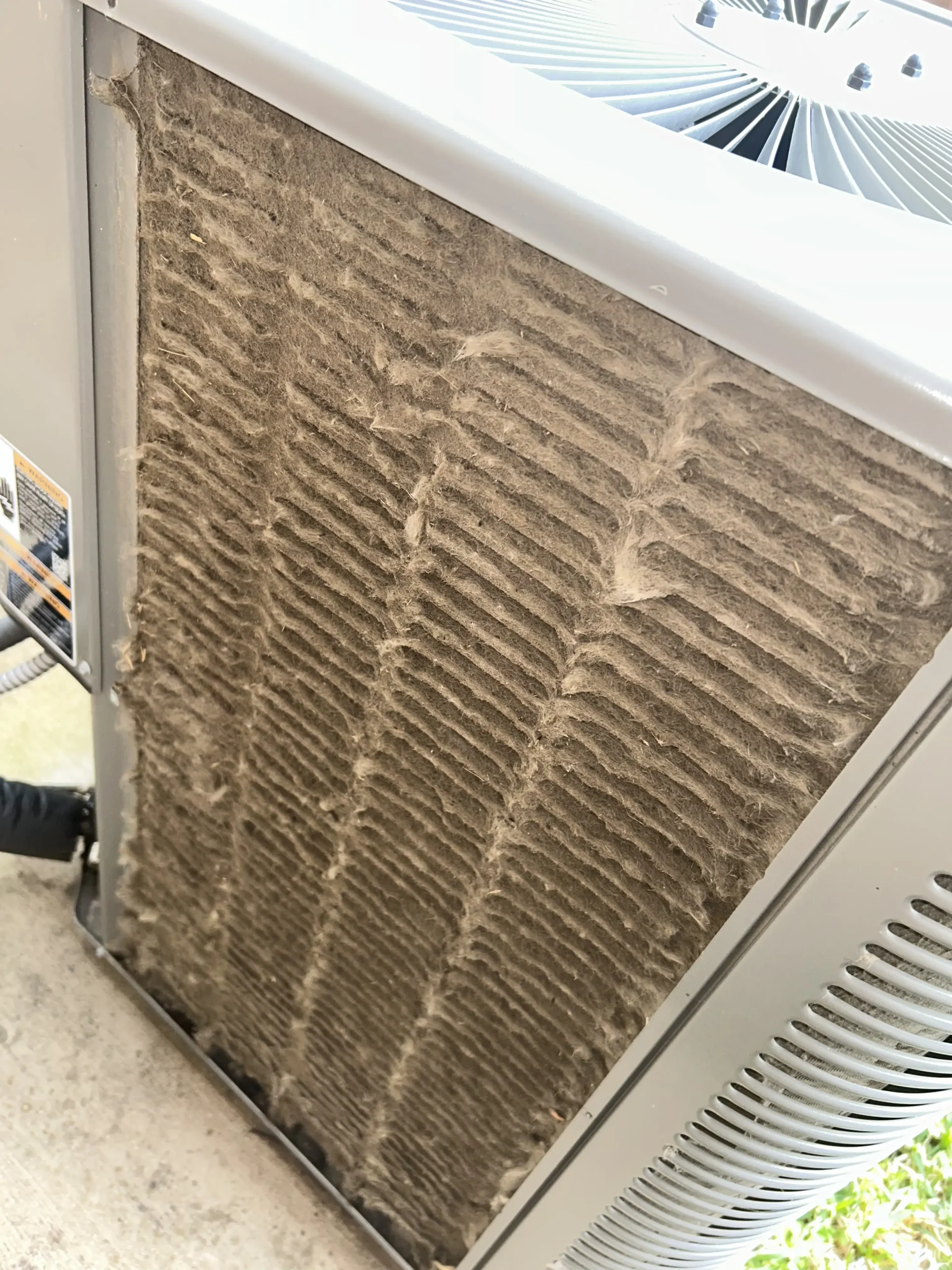
Some frost on the outdoor unit is normal. The heat pump periodically enters a defrost cycle to remove it. Heavy ice that remains on the unit after defrost operation needs professional attention.
If heating output drops or the system cannot maintain the set temperature, heating repair can identify problems with airflow, refrigerant, controls, electrical components, or defrost operation.
Maintenance That Protects Winter Performance
A heat pump needs unrestricted airflow and working controls to operate through an Iowa winter. Snow, leaves, and debris around the outdoor unit restrict airflow, while dirty coils and filters make it harder for the system to transfer heat.
Professional heating maintenance includes inspecting and cleaning key components, checking refrigerant conditions, testing thermostat controls, inspecting electrical connections, and verifying defrost operation. The technician can identify worn components or operating problems before colder weather places greater demand on the equipment.
Homeowners should keep snow and debris from accumulating around the outdoor unit and follow the equipment's filter schedule. Annual professional service prepares the system for the extended run times that come with freezing and sub-zero temperatures.
Heat Pump Service in Grimes, Des Moines, and North Polk
Greens Appliance, Heating & Cooling has served Des Moines and Central Iowa since 1958. Based in Grimes, our NATE-certified technicians understand the heating demands that freezing temperatures, snow, ice, and North Polk cold snaps place on heat pumps. Learn more about our local history and team on our about us page.
If your heat pump needs repair, seasonal maintenance, or replacement, Greens can inspect the system and explain the work required. Financing is available for qualified homeowners planning a new heating system or larger HVAC project.
Don't wait for the next cold snap to address a heat pump that is struggling to heat your home. Contact us to schedule heat pump service in Grimes, Des Moines, and surrounding Central Iowa communities.
Schedule OnlineFrequently Asked Questions
Yes. Modern heat pumps continue heating below 32°F by extracting heat from outdoor air and transferring it indoors. Heating capacity changes as outdoor temperatures fall, so equipment specifications and system sizing matter.
Yes. Cold-climate heat pumps are designed to operate at sub-zero temperatures, but their operating ranges and heating capacities vary by model. Manufacturer performance ratings show how a specific system operates at different outdoor temperatures.
Auxiliary heat supplies additional heating capacity when the heat pump needs help meeting the home's heating demand. It also operates on some systems during defrost cycles, so seeing AUX heat during very cold weather does not automatically indicate a problem.
Keep the outdoor unit clear of snow and debris, change or clean HVAC filters as required, and schedule annual professional maintenance. Heavy ice, weak heating, or a system that cannot reach the thermostat setting needs professional inspection.